Tanzania is home to a rich history and diverse cultural heritage, with numerous historical sites that showcase ancient civilizations, colonial influences, and significant archaeological discoveries. From prehistoric rock art to centuries-old trade settlements, these sites offer a glimpse into Tanzania’s past and its role in shaping the region’s history.
Expect to see
Visitors to Tanzania’s historical sites can expect a blend of natural beauty, cultural insights, and fascinating stories. Some sites are nestled within famous national parks, offering a mix of wildlife and history, while others stand as remnants of ancient trade and civilizations. Exploring these sites provides an opportunity to learn about early human settlements, Swahili culture, and Tanzania’s role in global trade.
It is in Arusha regional
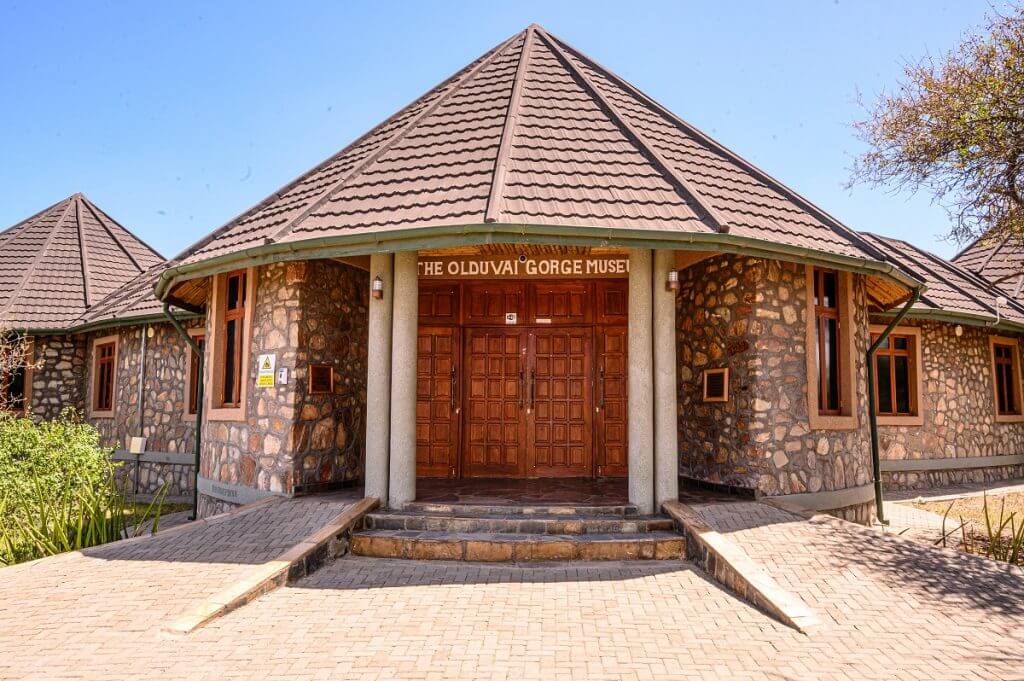
Ngorongoro is not only a world-famous wildlife destination but also home to the Olduvai Gorge, one of the most significant archaeological sites in Africa. Fossil discoveries here have provided insights into early human evolution. The Laetoli footprints, discovered in this area, are some of the oldest known evidence of bipedalism, dating back over 3.6 million years.
They are in Kilwa Kisiwani-Lindi region
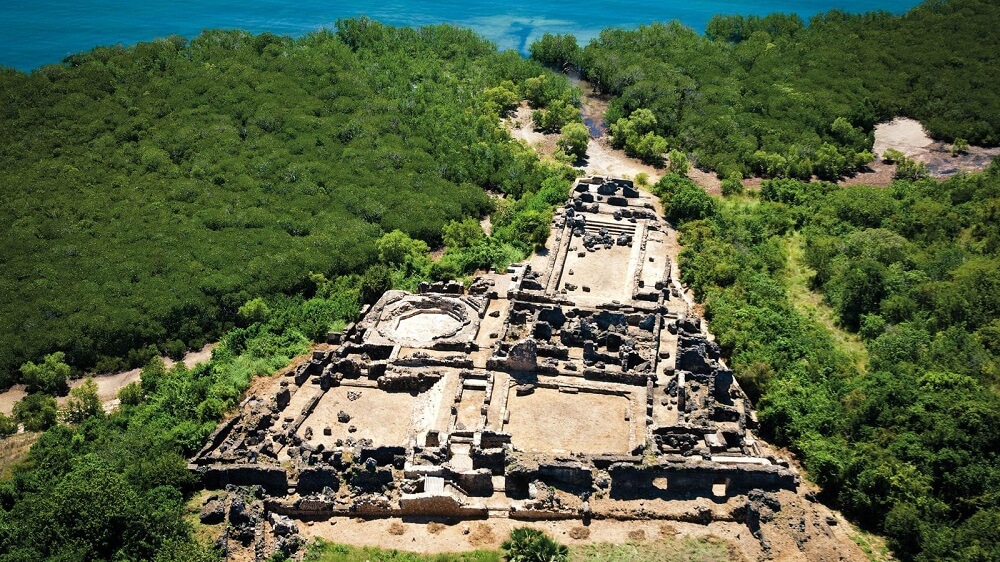
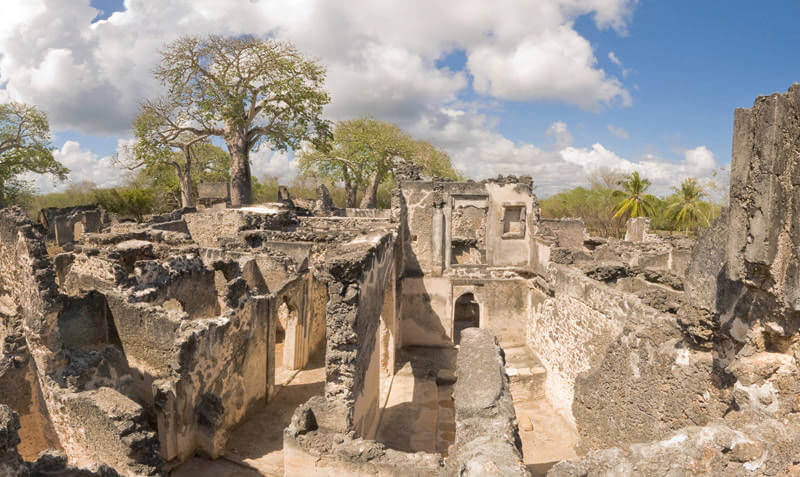
Once a thriving Swahili trade hub, Kilwa Kisiwani and Songo Mnara ruins are remnants of a powerful trading empire that connected East Africa with Arabia, India, and beyond. The ruins include mosques, palaces, and residential structures from as early as the 9th century. Kilwa Kisiwani was one of the wealthiest cities in medieval Africa, with its prosperity linked to gold and ivory trade.
covers two regions of Mara and Arusha
While primarily known for its wildlife, Serengeti is also home to ancient rock paintings and early human settlements, showcasing the region’s historical significance alongside its natural wonders. The park contains rock shelters with paintings attributed to early hunter-gatherer societies, providing a glimpse into prehistoric life.
Lindi region,Ruvuma and Morogoro
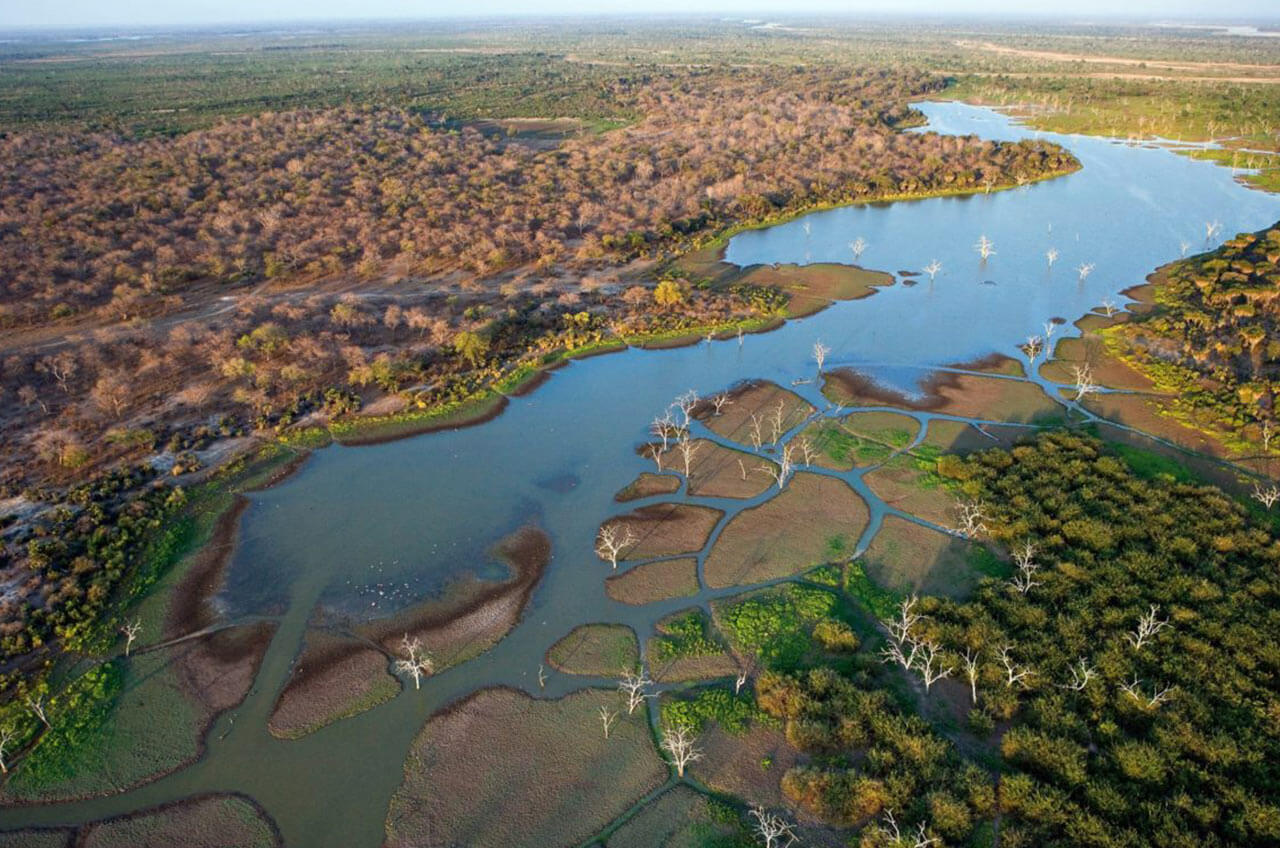
One of Africa’s largest game reserves, Selous has historical ties to colonial-era hunting and conservation efforts. The reserve preserves not only diverse wildlife but also remnants of early settlements and trade routes. Named after explorer and conservationist Frederick Selous, the area was once a battleground during World War I between German and British forces.
It is in Kilimanjaro Region
Mount Kilimanjaro is not just Africa’s highest peak but also holds cultural and historical significance for the Chagga people. The park contains ancient caves and sacred sites linked to the region’s indigenous history. Oral traditions describe Kilimanjaro as a mystical mountain, with rituals and legends surrounding its snowy peak.
It is in Zanzibar City
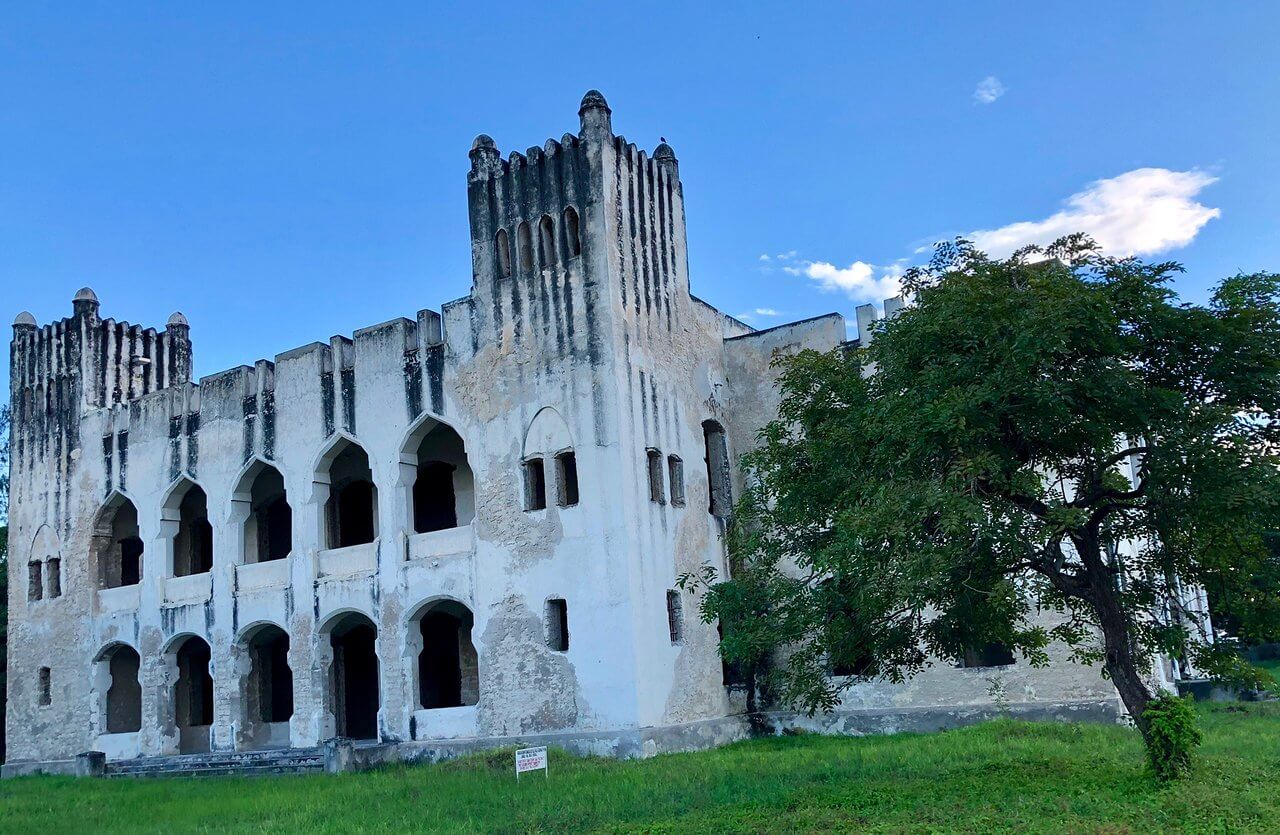
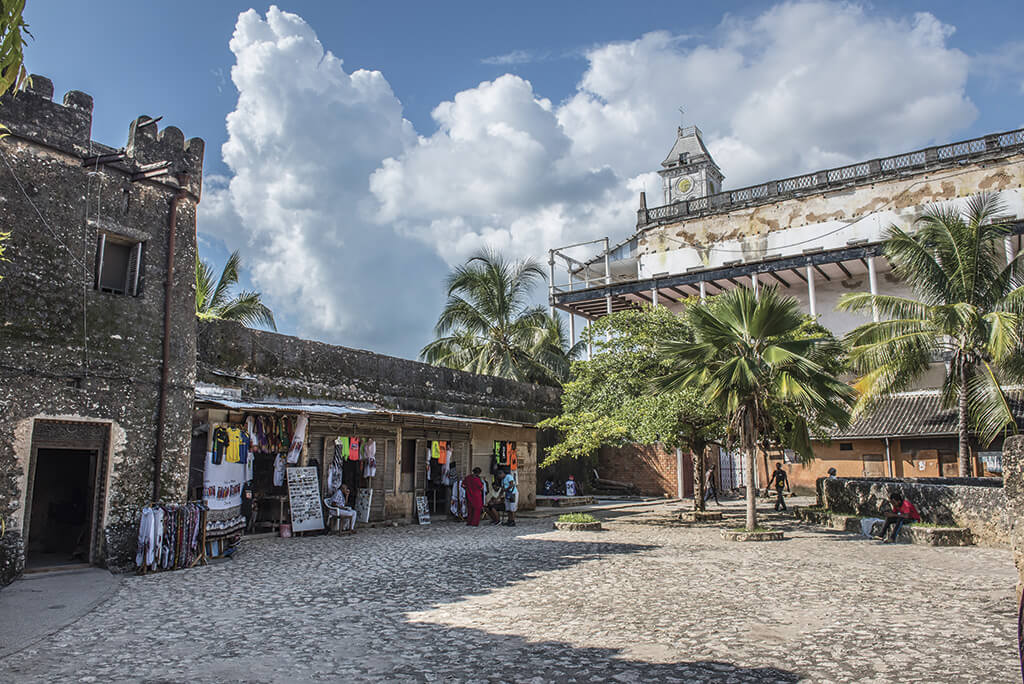
A UNESCO World Heritage Site, Stone Town reflects centuries of Swahili, Arab, Persian, and European influences. Its narrow alleys, historic buildings, and vibrant markets tell the story of Zanzibar’s role in the spice trade and colonial history. The House of Wonders, a key landmark, was the first building in East Africa to have electricity and an elevator.
Kondoa -Dodoma
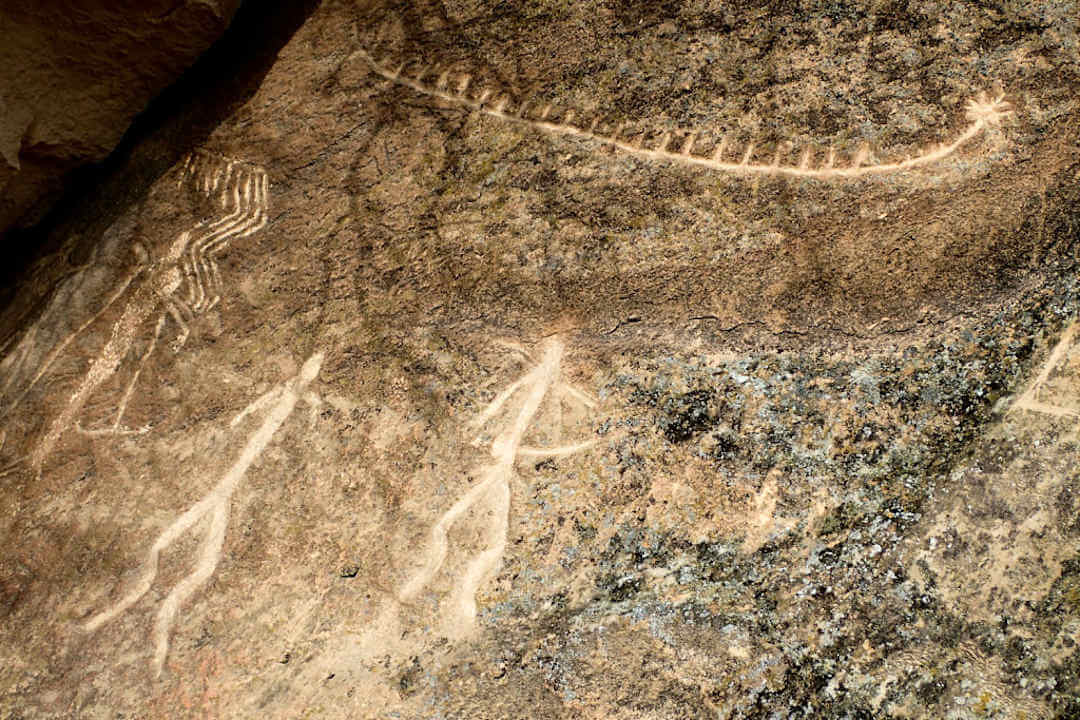
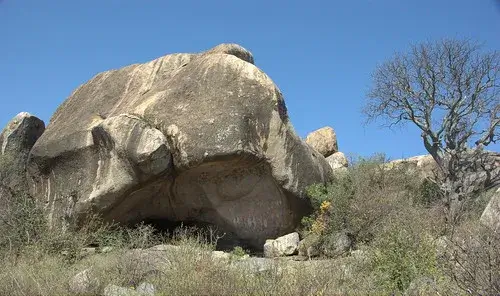
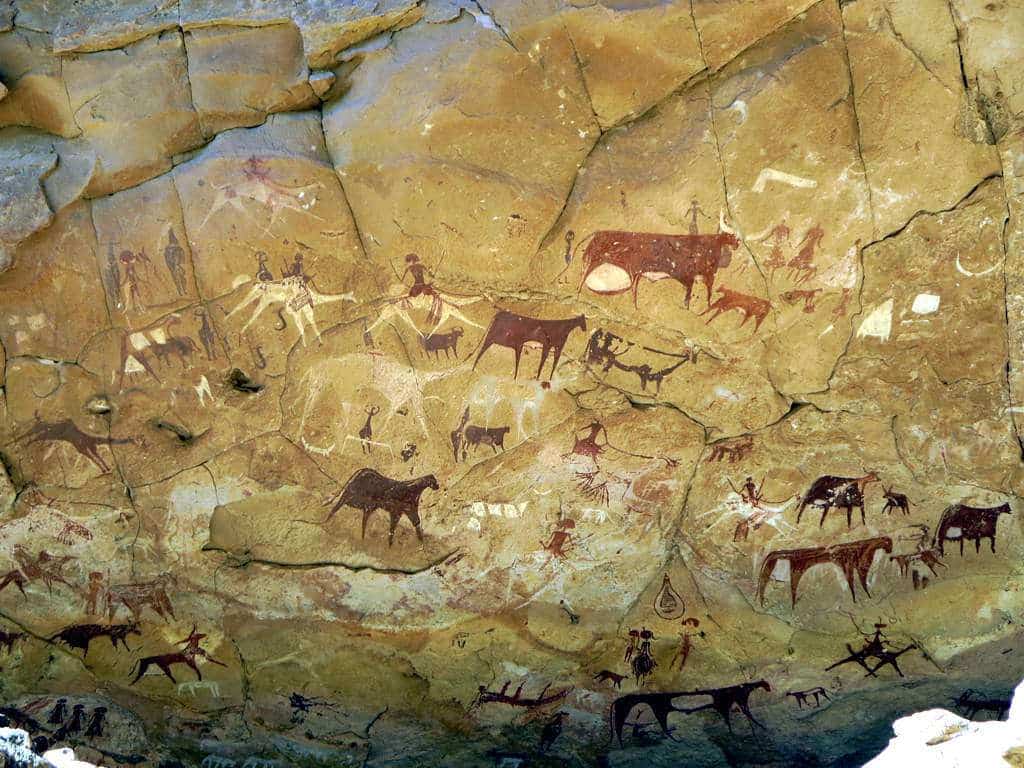
These prehistoric rock paintings, dating back thousands of years, depict early human life, hunting scenes, and spiritual symbols. They offer valuable insight into the beliefs and traditions of ancient Tanzanian communities. The artwork, created by ancestors of the present-day Sandawe people, is considered one of Africa’s most important rock art collections.
Arusha,Tanzania
+255 763 826 869
info@217safaris.com
Arusha,Tanzania
+255 763 826 869
info@217safaris.com